
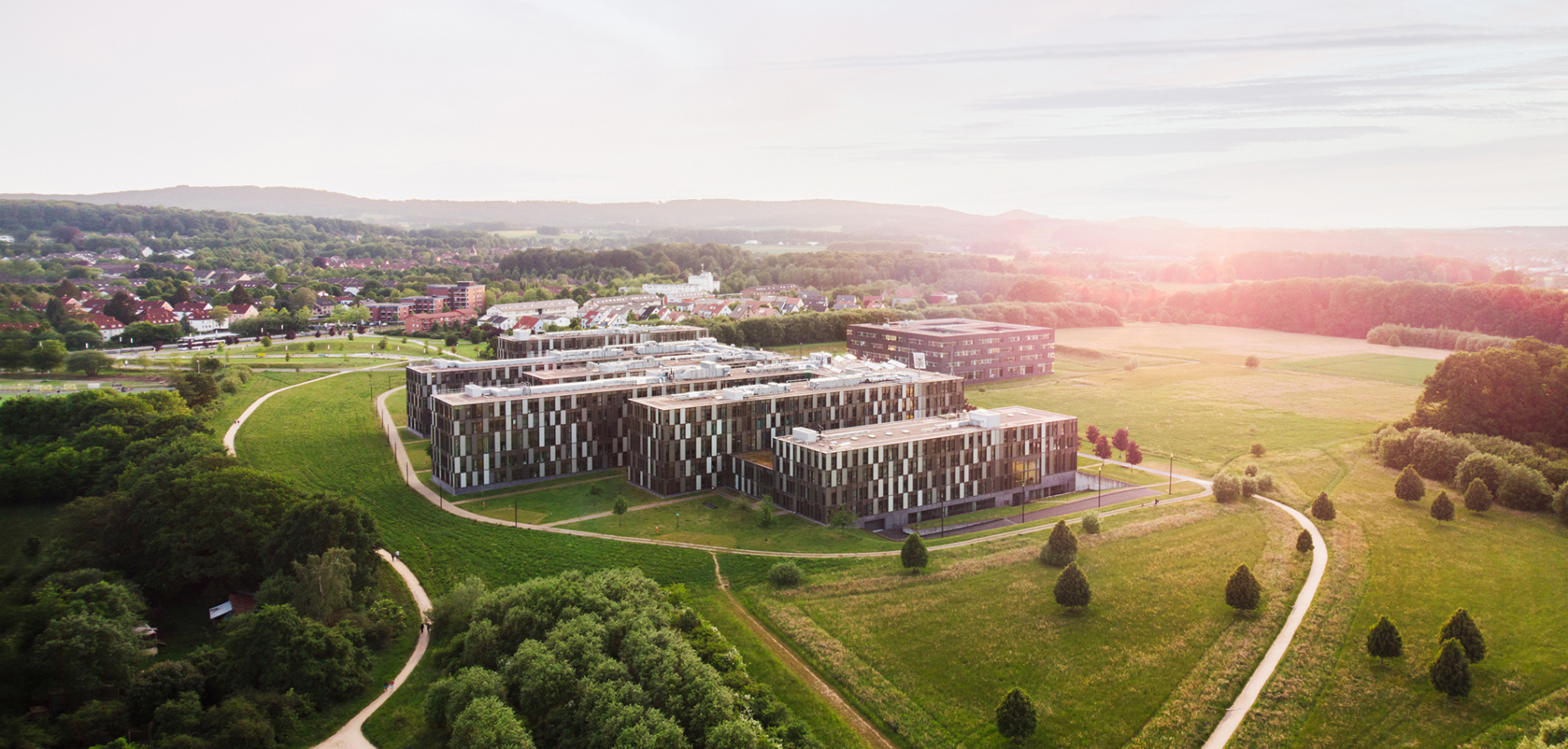
In higher education, the phrase “unity of knowledge and action” is often invoked. But at Hochschule Bielefeld—University of Applied Sciences and Arts (HSBI) — a flagship example of German universities of applied sciences — this is not merely a slogan. It is a finely tuned system that has been operating for more than half a century. Learning here is never just “preparation for practice”; it takes place within practice itself. Today, we step inside this applied university at the heart of Germany’s manufacturing belt to see how it is redefining the very boundaries of learning.
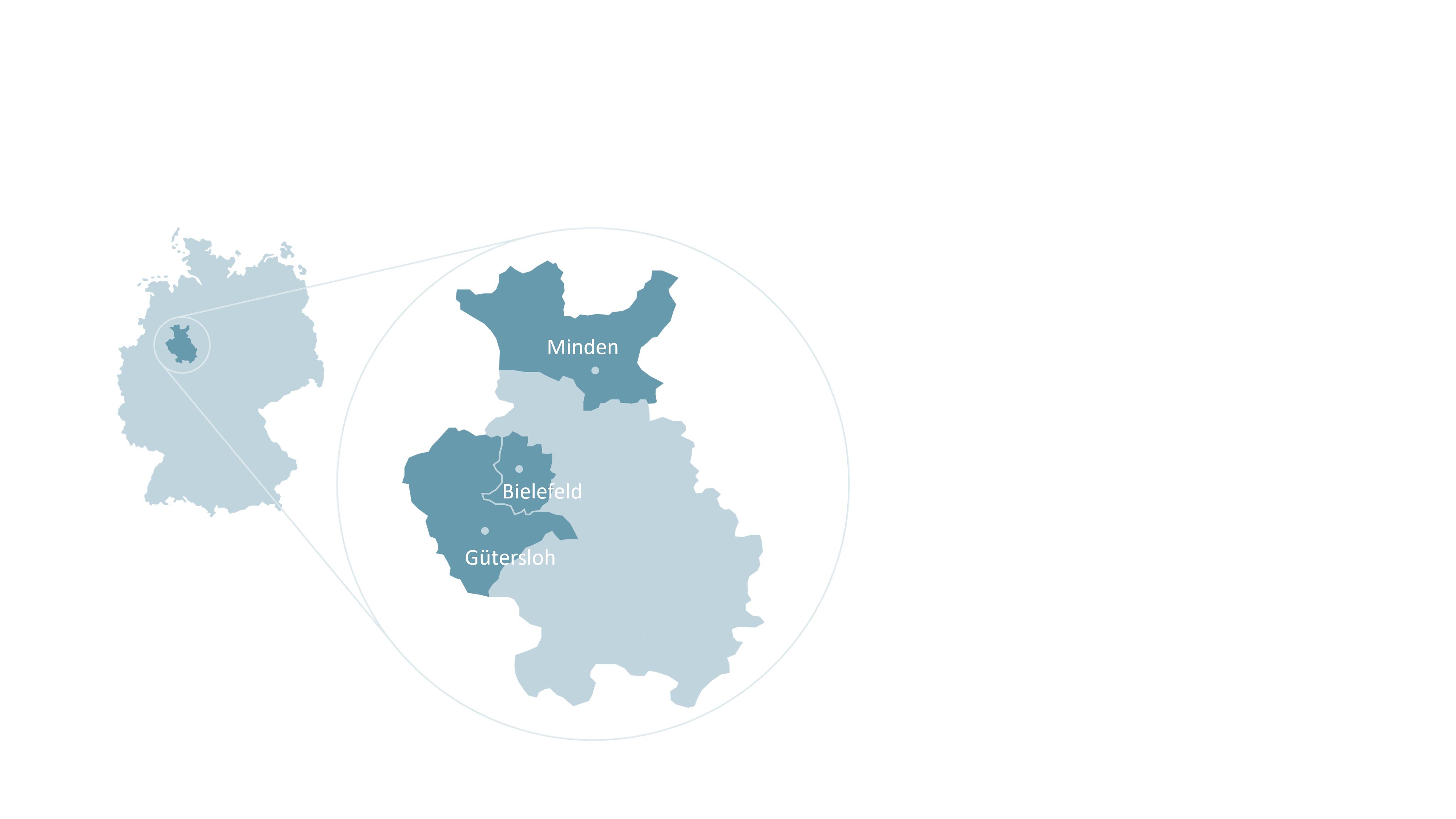
Hochschule Bielefeld—University of Applied Sciences and Arts (HSBI) was founded in 1971 and is located in the East Westphalia-Lippe region of Germany — an area with a highly developed mechanical engineering and electronics industry. The university operates across 3 campuses and is organized into 6 faculties.
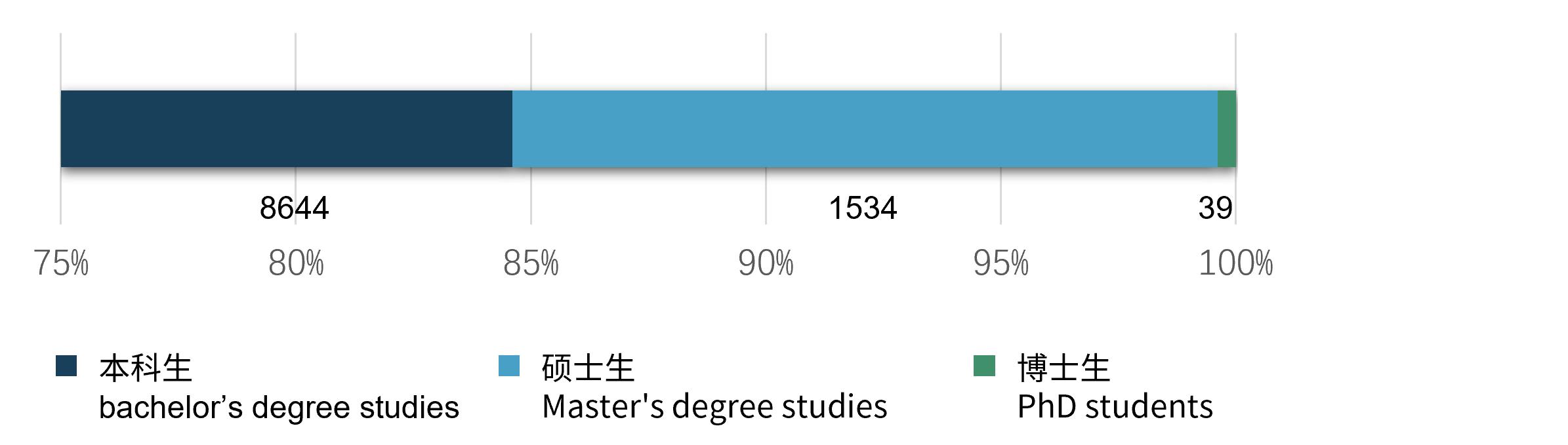
HSBI currently offers:
■ 44 bachelor’s degree programs
■ 31 master’s degree programs
■ 10 certificate programs
This makes HSBI one of the universities of applied sciences in Germany with a relatively comprehensive program portfolio. As of the 2025 winter semester, HSBI has an enrollment of more than 10,000 students.
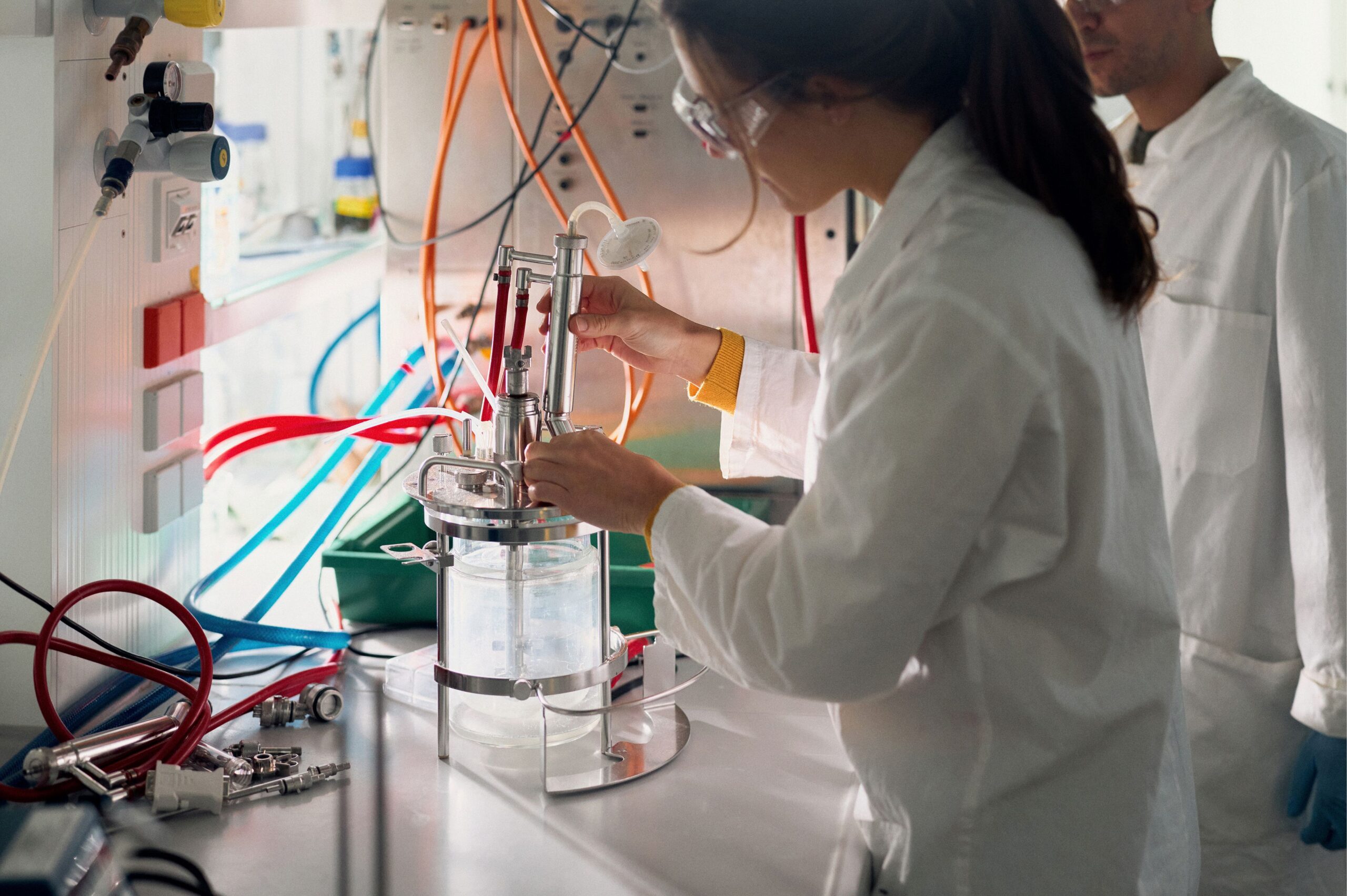
HSBI states in its mission statement:
In teaching and research, HSBI advances societal development responsibly, with particular emphasis on close ties to the region. We offer a diverse range of programs that not only develop students’ academic capabilities, but also equip them for professional and managerial roles, foster an entrepreneurial spirit, and ignite a passion for lifelong learning. In research and development, we tackle major societal challenges head-on. The transfer of technological outcomes and continuing education programs are firmly anchored in the real needs of the region. We embed sustainability into every dimension of teaching, research, and knowledge transfer. Internationalization is a strategic pillar of HSBI. Diversity and equal opportunity are self-evident principles for us. We see ourselves as a continuously evolving learning organization, dedicated to cultivating an open, inspiring, mutually beneficial, and collaborative work and learning environment.
Being locally embedded, practically oriented, embracing diversity, and open to the world — these are also the foundational principles guiding Hainan Bielefeld University of Applied Sciences (BiUH) as it takes root in the Hainan Free Trade Port.
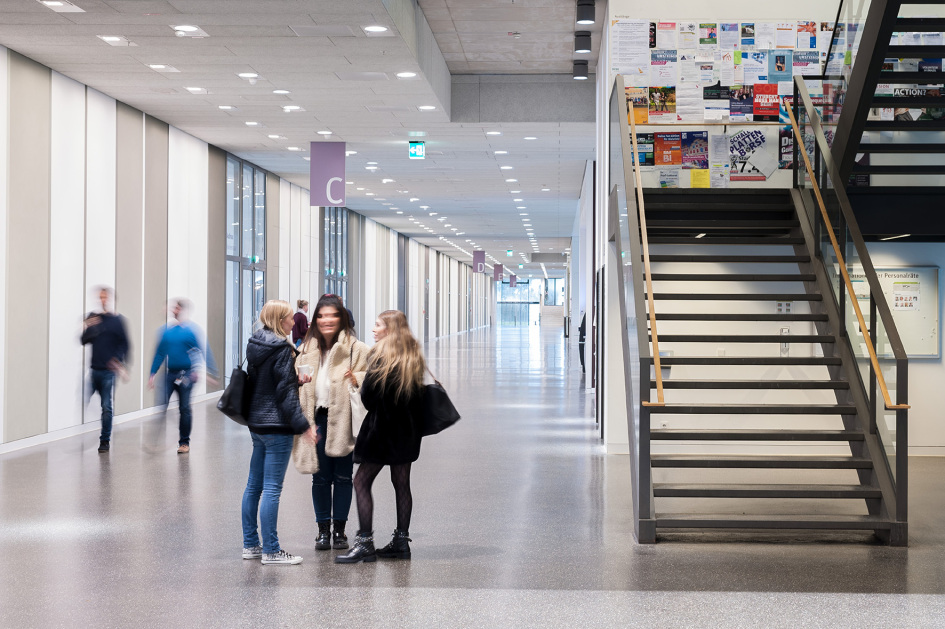
At the same time, the university is actively advancing the integration of three cross-cutting themes:
■ Digitalization: Promoting hybrid teaching formats and micro-credentials, and actively participating in the Forum on Higher Education in the Digital Age.
■ Internationalization: Hosting International Weeks, expanding overseas exchange programs, and advancing dual-degree collaborations.
■ Sustainability: The university’s sustainability initiative “Act2Sustain” is driven by an open, participatory model involving all faculty, staff, and students — and was honored with the 2023 German Employer Education Award (theme: “Sustainability — Plain to See!”).
In addition, HSBI places diversity, inclusion, and family-friendliness at the core of its institutional values, and demonstrates its commitment to supporting the families of faculty and staff through an on-campus daycare center.
As one of the earliest universities of applied sciences in Germany, HSBI does not operate in an ivory tower, but is deeply integrated into the regional manufacturing and technology innovation ecosystem.
In the German CHE University Ranking, HSBI holds an overall score of 3 points, placing it joint third nationally. In the 2025 “Entrepreneurship Ecosystem” assessment, it ranked 9th among 64 medium-sized universities. President Prof. Dr. Ingeborg Schramm-Wölk summarized this as: “An entrepreneurial culture has long been part of HSBI’s DNA.”
■ StudyCheck Ranking (among 420+ German universities): 14th in Germany
1) Among Universities of Applied Sciences: 12th
2) Among medium-sized universities (5,000–15,000 students): 7th
3) Among universities in North Rhine-Westphalia: 2nd
4) Average rating: 4.11 stars (out of 5)
5) Student recommendation rate: 99%
6) Overall score: 9.06 out of 10
Note: Studycheck is Germany’s largest and most influential student rating platform, where students can give authentic ratings and feedback on university course content, teaching quality, and campus life.

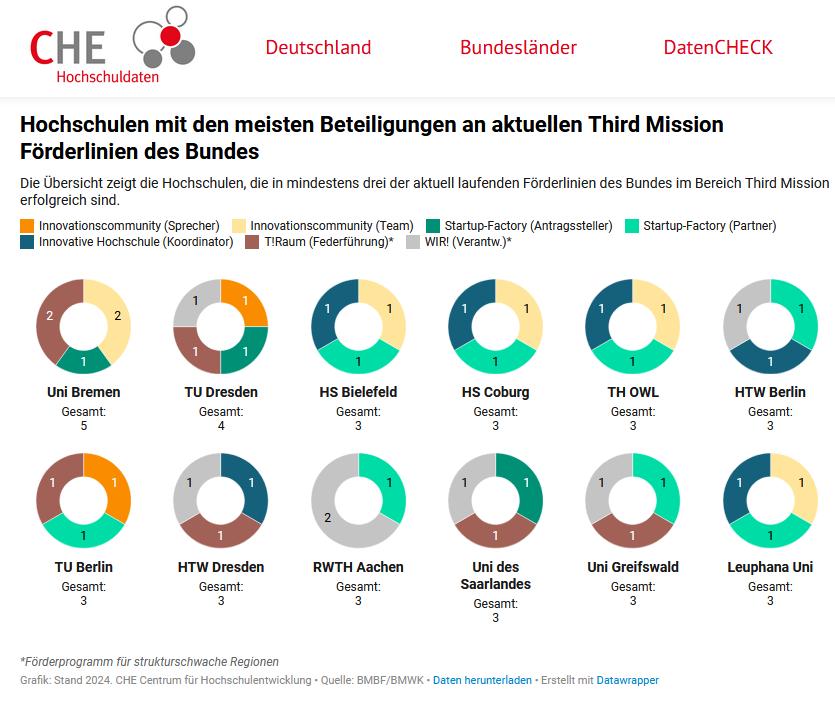
■ CHE Ranking (Centre for Higher Education Development): Joint 3rd in Germany
Note: HSBI participates in 3 federally funded programs — Innovation Community (Lead), Startup Factory (Applicant), and Innovative University (Coordinator) — earning a total score of 3 points and placing joint 3rd nationally alongside institutions such as TU Berlin, University of Bremen, and RWTH Aachen.
■ 2025 Gründungsradar Entrepreneurship Ranking (Medium-Sized Universities): 9th in Germany
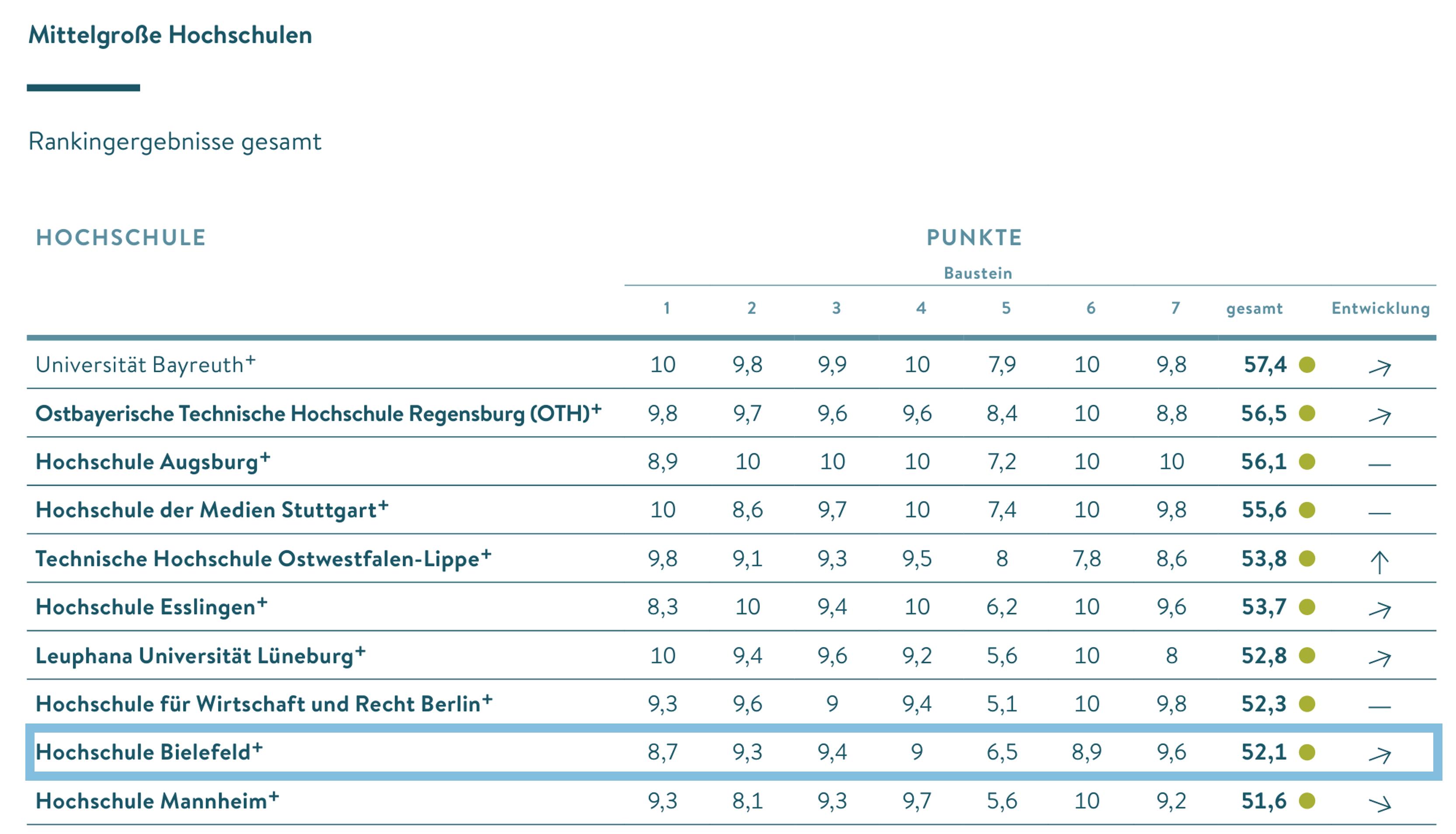
Note: This ranking, published by the Stifterverband, is one of the most authoritative indicators of a university’s entrepreneurial culture and support infrastructure. Among 64 medium-sized German universities (5,000–15,000 students), HSBI scored 52.1 points to rank 9th.
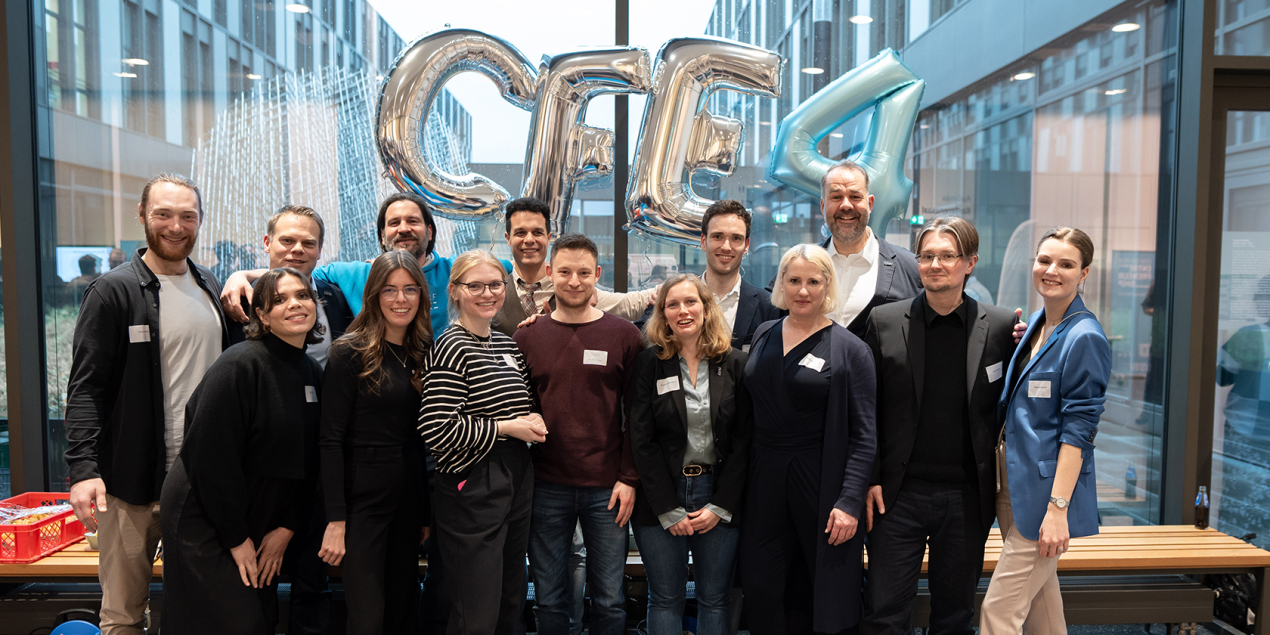
■ HSBI Center for Entrepreneurship (CFE, established 2020):
1) Nearly 120 startup teams mentored to date
2) 57 companies incubated, creating 220 jobs
3) 124 NRW startup scholarships and 6 EXIST federal startup scholarships awarded
4) 1,700 entrepreneurship consultations conducted, benefiting 2,700 enrolled students
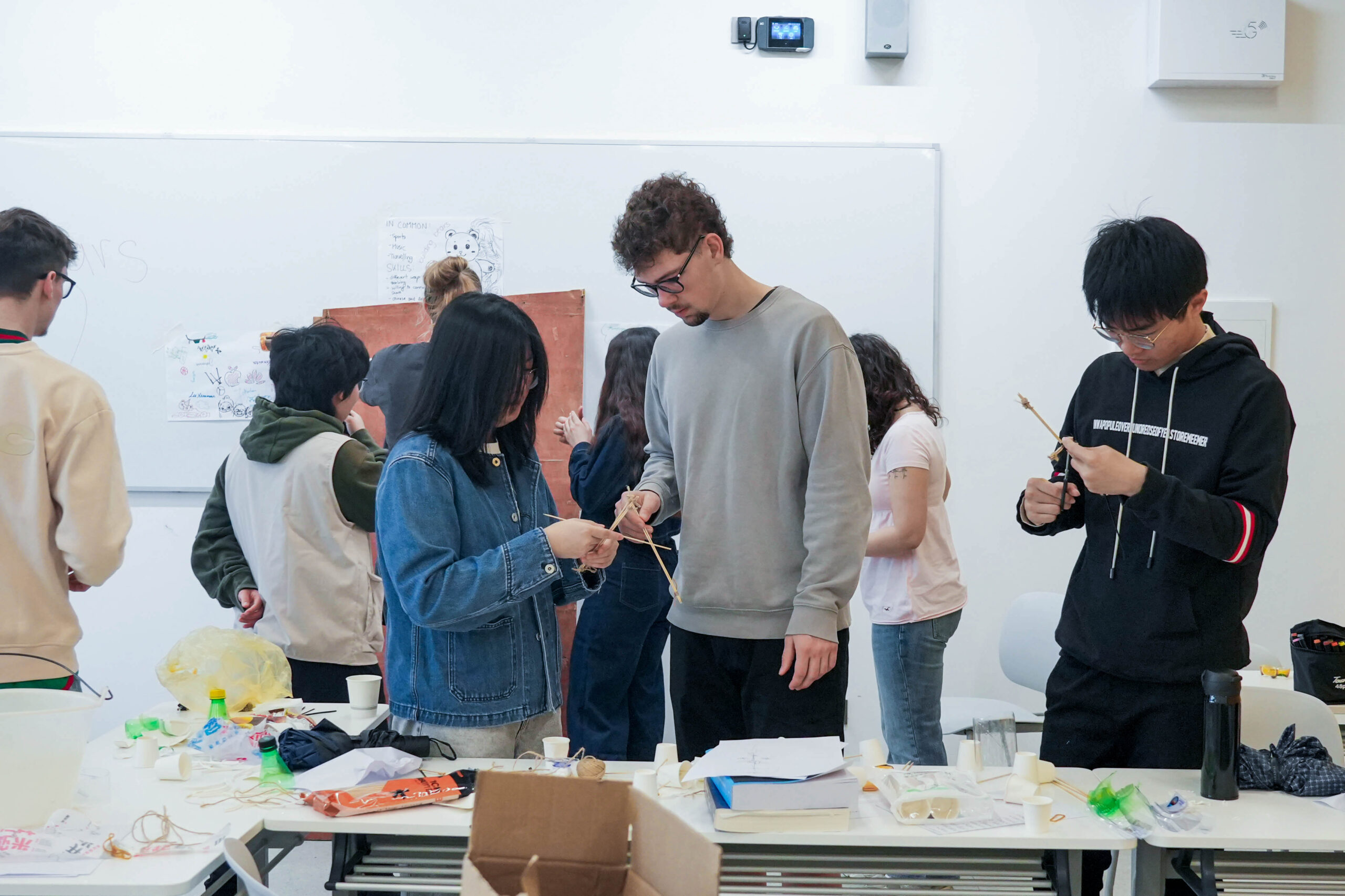
The educational spirit of HSBI — its respect for practice and emphasis on student autonomy — is now taking root in Hainan through Hainan Bielefeld University of Applied Sciences (BiUH). BiUH was established precisely in this context, systematically adopting HSBI’s teaching framework and educational philosophy, while adapting it to the development needs of China and the Hainan Free Trade Port.
BiUH is also introducing three new enrollment programs in 2026: Electrical Engineering and Intelligent Control, Software Engineering, and Business Administration — spanning the fields of engineering, economics, and management, further strengthening its talent development system.
Hochschule Bielefeld—University of Applied Sciences and Arts (HSBI) has demonstrated through decades of successful practice that the best learning always happens in the real world — where every formula finds its echo, and every line of code has a place to land. This is not only the educational philosophy of a German university; it is a model of future education that is now taking shape in Hainan.