
I am LI Yueran, a student from the Class of 2024 Digital Technology at Hainan Bielefeld University of Applied Sciences (BiUH). My internship at the German enterprise Miele is drawing to a close. Through the dual experiences in the RD Laboratory and the Finance Department, I stepped out of my comfort zone, unlocked comprehensive abilities beyond my major, and gained a deeper understanding of the true meaning of “applying what I have learned.”
Ⅰ. Embarking on the Miele Journey: Starting a Cross-Disciplinary Challenge Amid “Rigor” and “Inclusiveness”
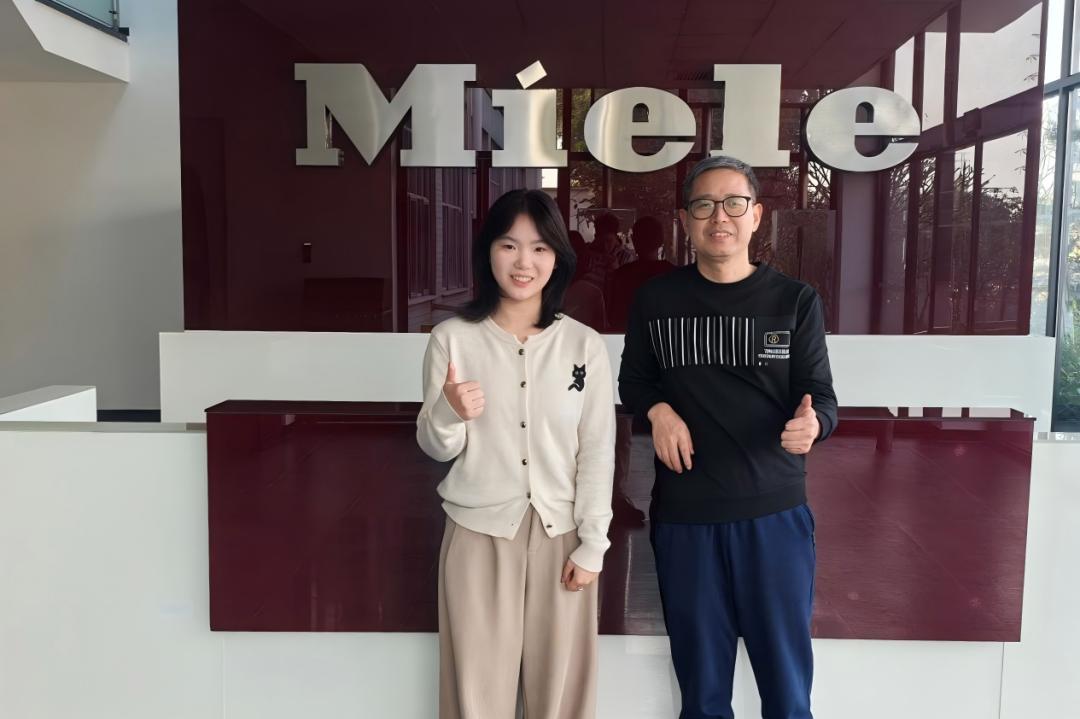
As a world-renowned German enterprise, the refined management and humanistic care at Miele’s Dongguan factory left a profound impression on me from my first day of onboarding. Initially, I felt confused when I learned I was assigned to the RD Laboratory: the programming skills from my Digital Technology major seemed unrelated to the laboratory’s testing processes. However, a senior colleague in the department enlightened me: “What Miele values is not your existing professional skills, but your learning ability and adaptability potential.”
In the RD Laboratory, I started with basic auxiliary work for product testing—assisting engineers in organizing test data, documenting experimental processes, and filing technical documents. Though these tasks seemed trivial, they allowed me to witness German enterprises’ relentless pursuit of “precision”: every set of data required repeated verification, every report demanded rigorous logic, and every process followed standardized norms. My experience in German language learning unexpectedly proved valuable here: when faced with some original German technical manuals, I could quickly extract key information to assist the team with document translation and communication. Additionally, the logical thinking fostered by my Digital Technology major made me accustomed to organizing data systematically while sorting test results, significantly improving my work efficiency.
After transferring to the Finance Department, the brand-new field brought even greater challenges. From familiarizing myself with financial software operations, assisting in sorting financial statements, tax contracts, verifying and calculating account details, to participating in monthly financial data aggregation, every task required extreme care and patience. Initially, I had only a superficial understanding of financial terminology and often made minor mistakes. Yet, instead of blaming me, the senior colleagues guided me through processes step by step and taught me verification techniques hands-on. I also took the initiative to consult basic financial materials in my spare time and applied the data analysis thinking from my Digital Technology major to account verification—using Excel functions to quickly screen abnormal data. Gradually, I grew from a “novice” to a reliable “assistant” capable of independently completing basic financial work. During this period, I also learned the basic architecture and development processes of Power BI in the IT Department. By acquiring, organizing, and modeling data, I designed charts and reports for presentation and sharing, which greatly assisted the Finance Department in data analysis and integration.
This seemingly “cross-boundary” internship did not waste my professional knowledge; instead, it taught me “transferable skills” and helped me gain core competencies beyond my major:
My internship at Miele made me realize that professional knowledge acquired at university is fundamental, but cultivating the ability to “learn quickly and adapt rapidly” is even more crucial. From interpreting technical documents in the laboratory to familiarizing myself with financial processes, I maintained an open mindset—seeking advice promptly when encountering problems and using fragmented time to supplement relevant knowledge. This improvement in learning ability is more valuable than the accumulation of a single skill, and it has given me the confidence to integrate quickly into any field in the future.
The rigorous culture of German enterprises runs deep. In the RD Laboratory, a decimal point error could affect the entire test result; in the Finance Department, an oversight in a document might lead to accounting chaos. This experience helped me develop the habit of “double-checking everything and paying attention to details.” I also learned that in the workplace, there is no such thing as “good enough”—only “striving for excellence.” This rigorous work attitude is not only applicable to financial and laboratory work but will also become a precious asset in my future career.
The RD Laboratory needs close collaboration with production and technical departments, while the Finance Department must communicate with various departments regarding expense reimbursements—making effective communication skills indispensable. As a cross-disciplinary intern, I strived to express myself clearly and listen patiently when coordinating with other departments. These experiences made me deeply appreciate that effective communication in team collaboration can double work efficiency.
Ⅲ. Conclusion
The two-month internship at Miele is a brilliant chapter in my university life. From initial confusion and anxiety to later calm and confidence, from the “cross-boundary application” of professional knowledge to the comprehensive improvement of my abilities, this experience made me realize: growth never follows a fixed path. As long as we maintain passion and courage to explore, every “unexpected encounter” can bloom brilliantly.
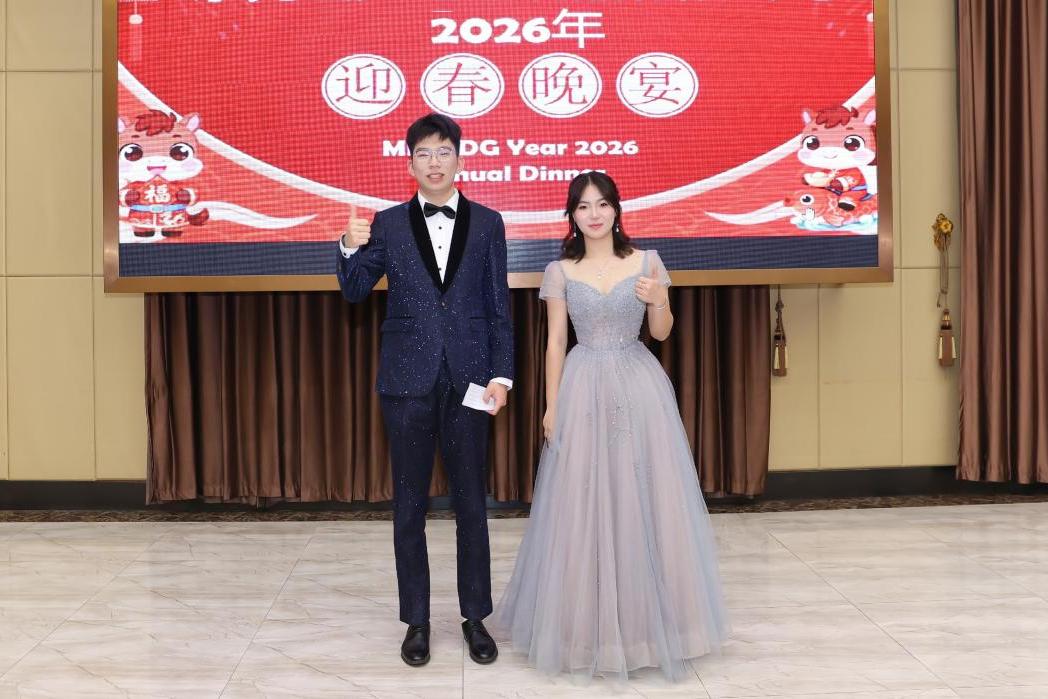
During the internship, I was fortunate enough to host the company’s annual meeting. “Some relationships are extraordinary and cherished—special moments, unforgettable experiences, unique charm”—this is the first sentence in Miele’s promotional brochure. My internship at Miele truly gave me many extraordinary experiences, allowing me to temper myself and become a better person through diverse encounters. Just as Miele’s motto goes, “Immer Besser” (Forever Better), I am constantly striving to become the best version of myself!