
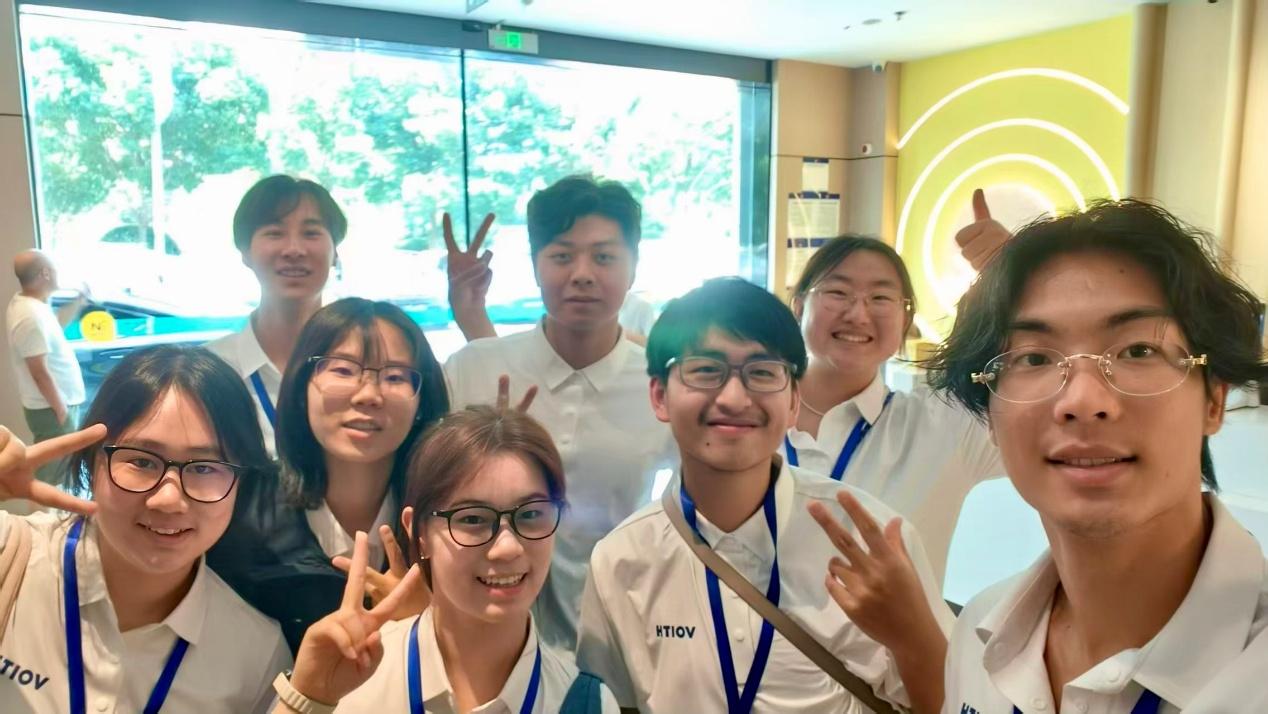
In the summer of 2026, Voith’s “Phoenix Tour” got underway as planned. A group of BiUH students, selected through a competitive application process, stepped into the Kunshan and Shanghai Minhang sites of this German high-end equipment manufacturer. Immersed in real-world industrial environments, they observed, reflected, held conversations — and came away with a renewed perspective on their own career paths.
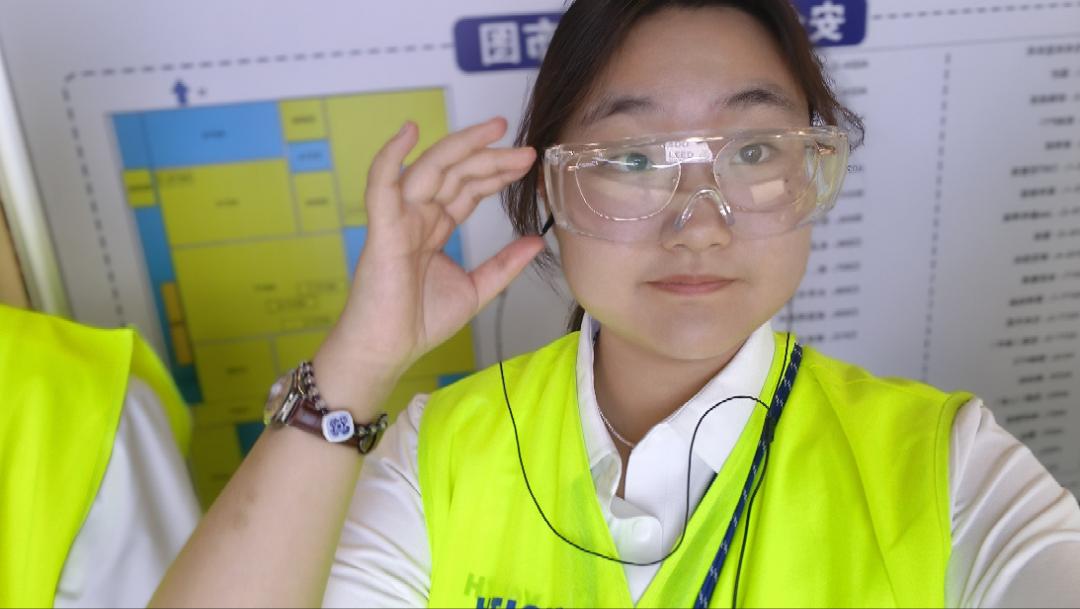
LI Yiyang: Reflections on the Voith Kunshan Visit
Engineering and industrial manufacturing have always fascinated me — I’ve long been drawn to places where technology takes physical form. So, when I heard about the chance to visit Voith’s Kunshan factory, I couldn’t wait. Voith Paper is a century-old German company with a stellar reputation in the global paper industry, and this visit was, for me, a rare chance to gain firsthand insights into real-world industry.
The moment I stepped onto the shop floor, I was deeply impressed. This was nothing like the “noisy and crude” factory I had imagined. Instead, the production lines were pristine and orderly, enormous machines running with precision, employees working with focus and composure. Technology, order, and craftsmanship came together here, creating a disciplined, highly efficient industrial atmosphere. In that moment, I understood: world-class industry is not merely about output — it’s about the integration of quality, efficiency, and beauty.
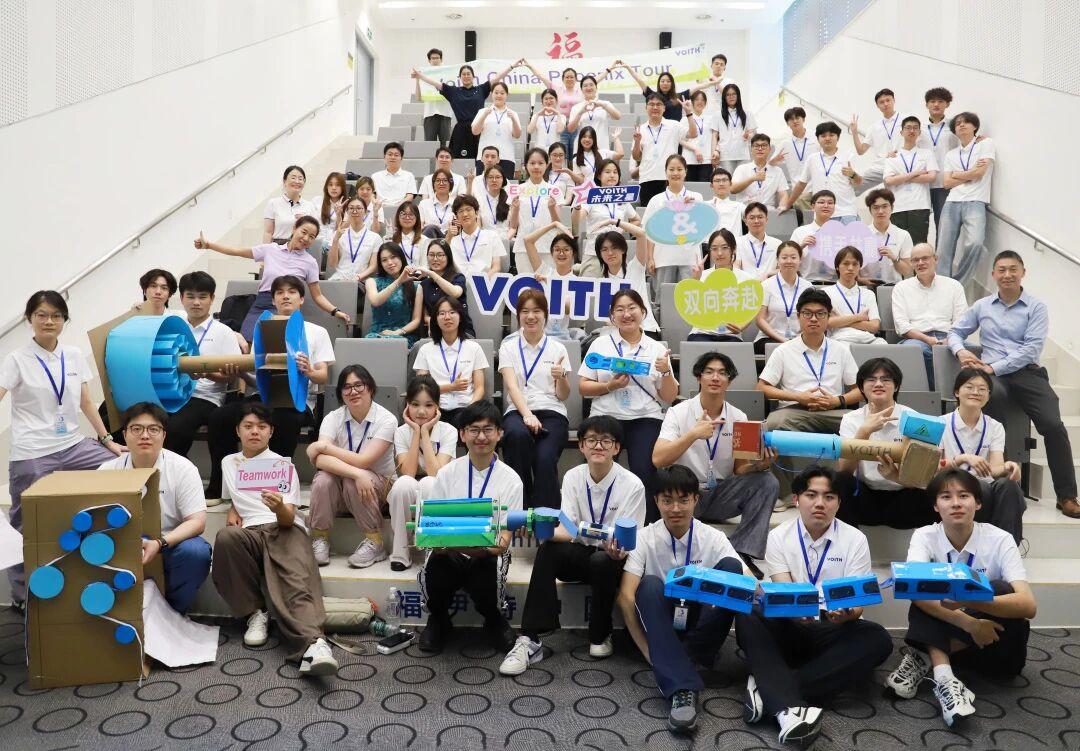
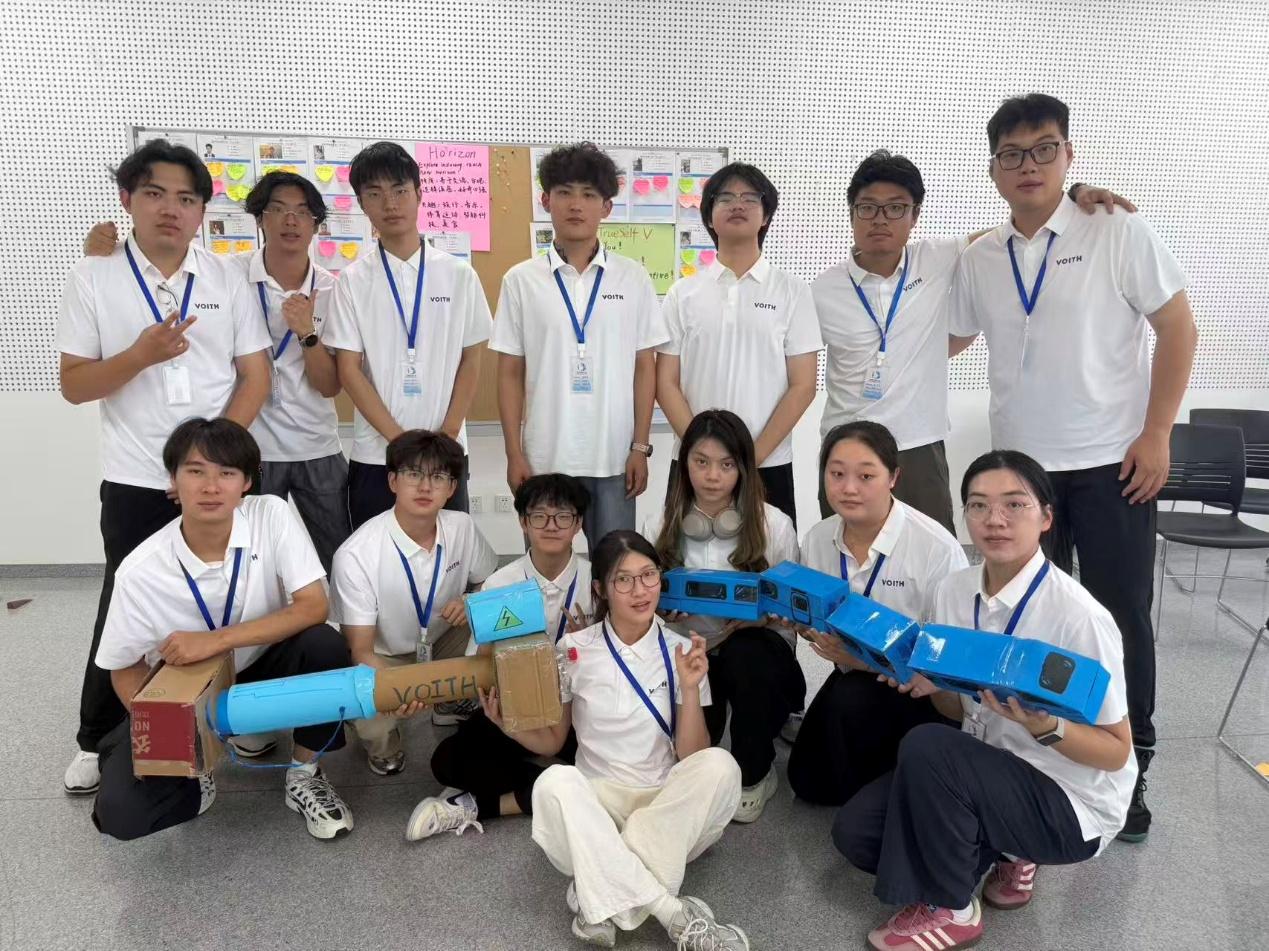
One of the highlights of the visit was a challenging team project: setting up, from scratch, all the functional departments a company needs. It sounded simple enough — but putting it into practice was anything but. R&D, procurement, production, quality control, sales, finance, HR, after-sales — each department had its own responsibilities, yet all were interdependent, like gears that must mesh with precision. Without R&D, there would be no product to begin with; without quality control, there would be no way to guarantee quality; without finance and HR, the whole organization would struggle to function properly. As we pieced the departments together and connected them into a coherent whole, it hit me for the first time: a company is, at its core, a highly coordinated, precision-driven system. That realization left a deep impression on me.
It was through this process that the business management concepts I’d only read about in textbooks suddenly came to life. Supply chain management, process optimization, lean production, organizational structure — at Voith, every one of these found its real-world counterpart. I saw how lean production cuts waste, standardized processes ensure consistent quality, and cross-functional teamwork enables a rapid response to market needs. Seeing theory and practice reinforce each other in such a tangible way gave me a much deeper grasp of how businesses actually operate — and a genuine sense that everything had finally clicked into place.
Looking back on this trip, my greatest reflection is this: modern industry is no longer a simple sum of machines and labor, but rather a deep integration of technology, management, and talent. A company that can stand firm for a century relies not only on advanced equipment, but also on a scientific management system and a down-to-earth, rigorous work ethic. This visit to Voith showed me what my ideal “industrial world” looks like, and strengthened my resolve to build a career in engineering and industry. This valuable experience will continue to inspire me as I move forward on my academic journey.
YANG Bohan: Textbook Theories, Answered with an Echo
Last semester, I noticed the call for applications for Voith’s “Phoenix Tour”. I submitted my application with the thought of “just giving it a try,” and to my surprise, I was actually selected. This was not a sightseeing-style visit. Before this, my understanding of Voith basically came from online searches and reading corporate reports — fragmented and distant. But when I actually stepped into the factory and saw how the equipment operated, how the production lines connected, and how different positions coordinated with one another, all that document-based information suddenly became concrete. The theories from textbooks finally found a real foothold.
At the Kunshan plant, I saw standardized floor management, clear process flows, and seamless coordination between teams — and it hit me: “industrial management” isn’t some dull phrase from a textbook; it’s a living, breathing system at work. Safety protocols, material organization, process documents — every detail reminded me that engineering isn’t just about blueprints and technical know-how. The entire management framework is itself the backbone that makes technology viable on the ground.
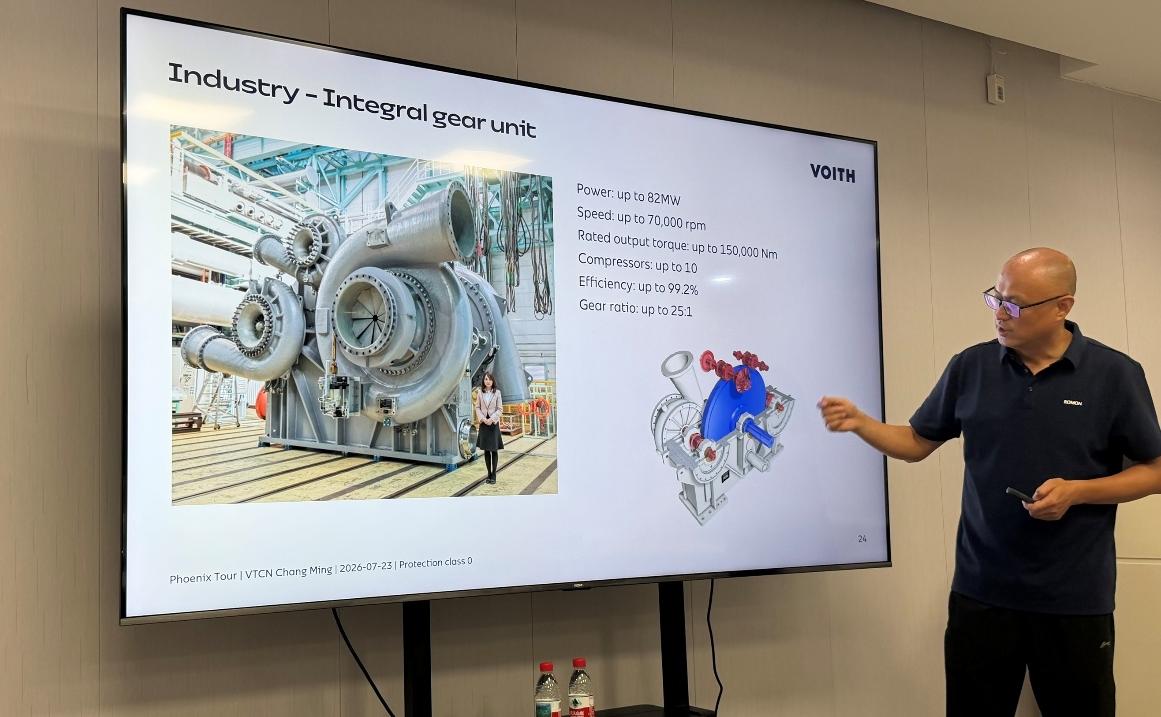
At the Drive Technology Division workshop in Minhang, Shanghai, I came face to face with the core components I’d only seen in diagrams — couplers, gearboxes, and fluid couplings. The transmission mechanisms from my textbooks were suddenly right there in front of me, real and tangible. Walking through the entire process, from machining to final inspection, gave me the hands-on perspective I had always lacked.
Over lunch with frontline engineers and department heads, I finally worked up the courage to ask a question that had been nagging at me: how important is your major, really? Their answer was a huge relief — they told me they care far more about your ability to solve engineering problems and your hands-on project experience than they do about the specific field of your degree.
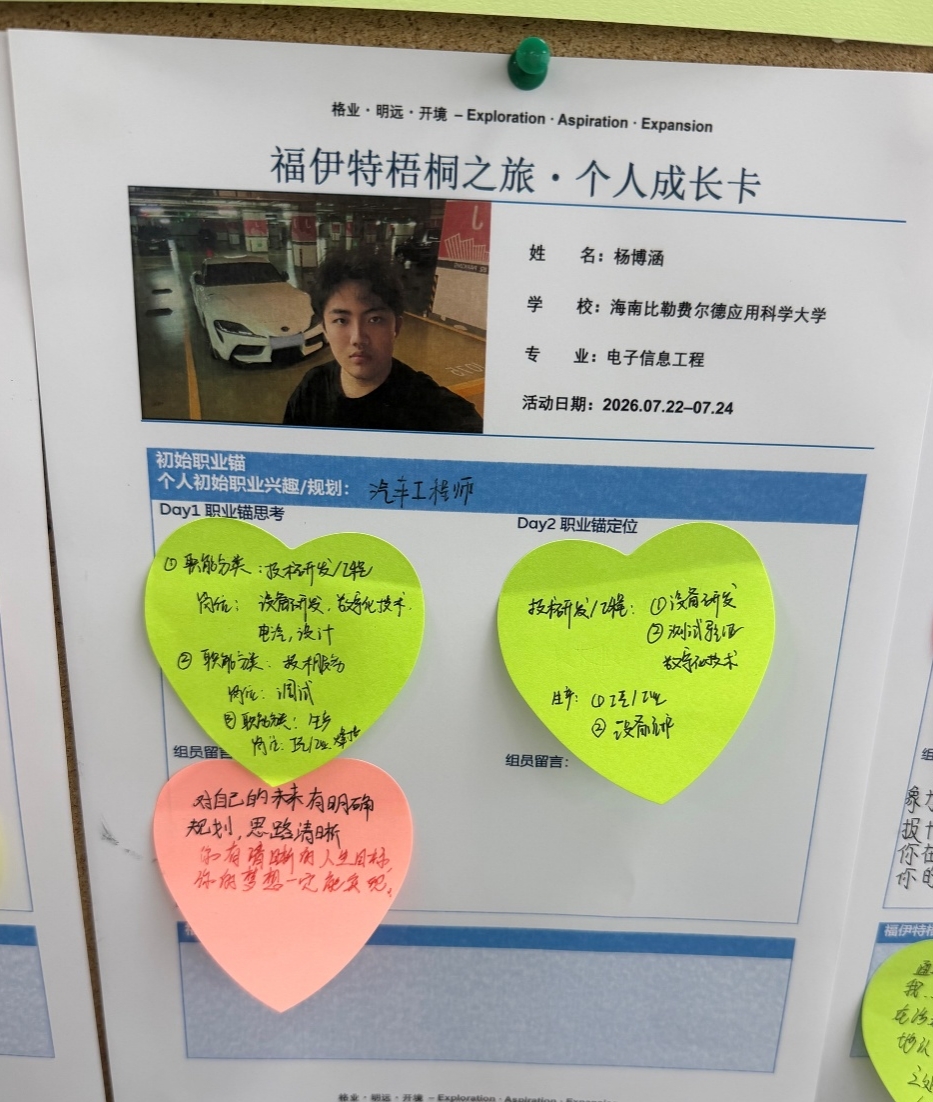
On the final day, I put together a personal growth card to capture and reflect on everything I’d experienced over the trip. My dream of becoming an automotive engineer remains the same — but it’s no longer just a distant ambition. Now, I can see a clear, step-by-step roadmap ahead. The factory floor is where engineering students are truly put to the test. This trip showed me that real-world operating conditions are far more complex — and far richer — than any idealized model in a textbook.
ZHANG Youran: Beyond the Textbooks — I Saw a Complete Project
Before the Phoenix Tour kicked off, Ms. Zhao Dan gathered us for a pre-trip briefing. She walked us through the do’s and don’ts of a corporate visit, and reminded us to ask questions fearlessly and keep our eyes wide open. BiUH has always championed work-integrated learning, and all those class exercises like group collaborations and presentations have paid off — they’ve trained me to sort through my observations and feelings, and to find my voice even in unfamiliar settings.
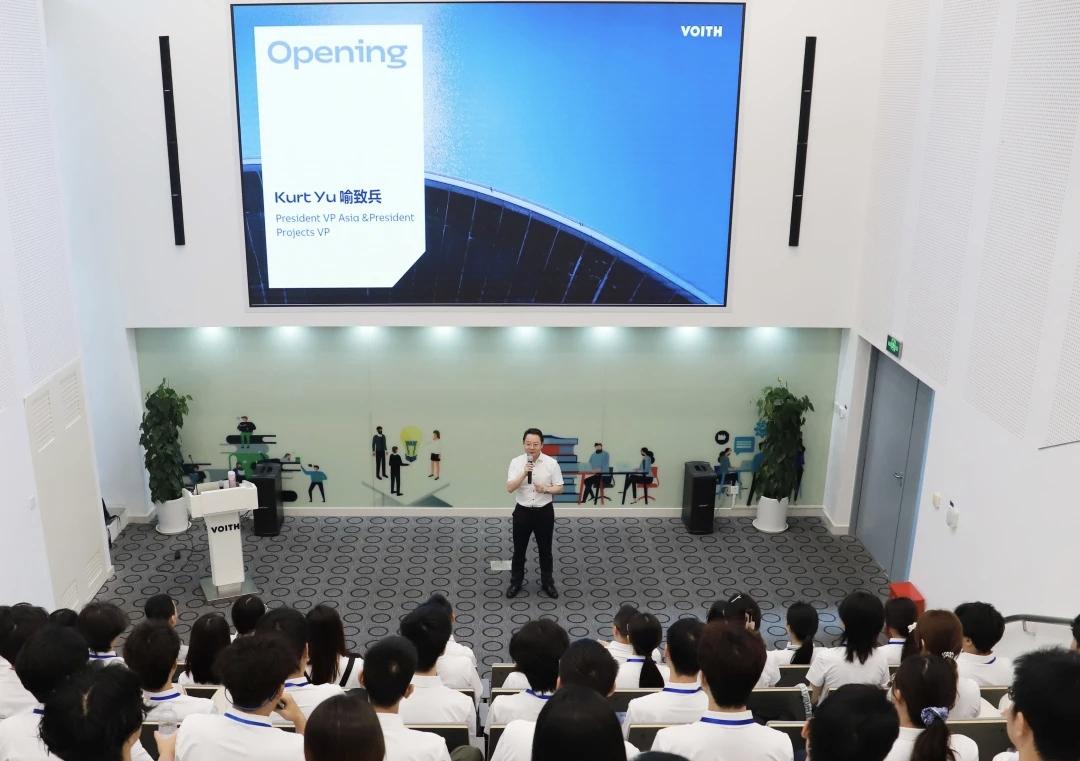
Day one was all about getting to know the company. Through presentations and real-world project case studies, I gained a systematic overview of Voith’s three core businesses — Hydro, Paper, and Drive. It struck me that a major industrial project is never the work of a single technology alone. From initial planning and cross-departmental coordination to final delivery, the chain is long, and each stage is interdependent. And when technologies are actually deployed, they have to balance client expectations, cost constraints, and real operating conditions — far more than any equation on a whiteboard could capture. The message came through loud and clear: your major is just one piece of the bigger picture. Real industry is about countless roles, each playing its part, coming together to make something meaningful happen.
The second day took us to the workshop floor, where we watched large equipment being assembled and electrical automation systems humming into action. It was a visceral experience — no PowerPoint could ever convey that kind of impact. Over lunch, some of Voith’s seasoned professionals shared their own transitions from campus to career, and patiently fielded our questions about job roles and cross-functional growth. It dawned on me that the workplace isn’t divided by clear-cut boundaries. R&D people need to understand upstream and downstream operations; technical experts need communication and teamwork just as much. You can’t afford to bury yourself in your own little specialty — you have to learn to think in terms of the whole project.
The third day brought us to the final challenge: team co-creation. We were asked to pull together everything we’d seen, heard, and felt over the past two days — our impressions of the company, our thoughts on our own futures — and turn it into a group presentation. I’m grateful for all the class exercises we’d done before; they paid off when I found myself speaking up and engaging in discussions with relative confidence, even among new faces and industry professionals. What fascinated me most, though, was watching my classmates’ career aspirations evolve in real time. Some grew more committed to technical paths; others found themselves drawn to project coordination or business development. I didn’t see this as hesitation — I saw it as clarity taking shape. Career choices were no longer built on daydreams; they were rooted in firsthand encounters with the real world of work.
The three-day experience was rewarding — not just for new technical knowledge, but for a different view of corporate culture that inspired me to rethink my future. I stopped focusing only on textbooks and began seeing the full project logic, cross-team collaboration, and customer value behind real industry. Your major is the start, not the full story.